所指
第一卷第七篇四章确依次处理《如来藏经》九喻、《胜鬘》《涅槃》《楞伽》、《宝性论》体系化及其与中观、唯识和汉藏后世传统的关系,交叉引用范围与正文概括相合。
链接
07-如来藏与佛性 › 01-如来藏经典群 篇级 · 所指为整篇,链接落在该篇首章
核查结论
第一卷第七篇四章确依次处理《如来藏经》九喻、《胜鬘》《涅槃》《楞伽》、《宝性论》体系化及其与中观、唯识和汉藏后世传统的关系,交叉引用范围与正文概括相合。
第一卷第七篇四章确依次处理《如来藏经》九喻、《胜鬘》《涅槃》《楞伽》、《宝性论》体系化及其与中观、唯识和汉藏后世传统的关系,交叉引用范围与正文概括相合。
第二卷第四篇下篇确有「保证书」「擦镜的悖论」「两本登记簿」及对永恒之贪等结构判断,并比较无常苦无我与常乐我净的反转;脚注所指准确。
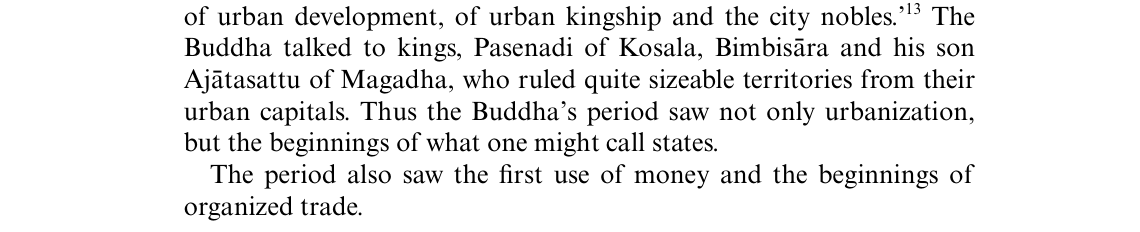

(一)Gombrich 1988 社会史一侧:所据为该书 2006 年 Routledge 第二版(Theravāda Buddhism: A Social History from Ancient Benares to Modern Colombo,257 面,****),版权页作「First published in 1988 by Routledge & Kegan Paul Ltd/This edition published in 2006 by Routledge」,是脚注所标 1988 即其初版,同一书而非同一版,可代核内容不可代核版本项。所需之论在书内第 5
0 至 51 页:贡布里奇引韦伯语「Like Jainism, but even more clearly, Buddhism presents itself as the product of the time of urban development, of urban kingship and the city nobles」,继而断曰佛世「saw not only urbanization, but the beginnings of what one might call states. The period also saw the first use of money and the beginnings of organized trade」;其农业剩余之由则引柯萨姆比之说,系于南比哈尔铁矿所出的铁犁与冶炼之进。正文第 9 行「第二次城市化刚把旧秩序冲散」有此为据。阿耆多断灭论见第二经第二三节:「there is nothing given, bestowed, offered in sacrifice, there is no fruit or result of good or bad deeds, there is not this world or the next... This human being is composed of the four great elements, and when one dies the earth part reverts to earth, the water part to water, the fire part to fire, the air part to air」;散若耶不可知论见同经第三二节:「If you ask me: 〔Is there another world?〕 if I thought so, I would say so. But I don't think so. I don't say it is so, and I don't say otherwise. I don't say it is not, and I don't not say it is not.」第三三节阿阇世因斥其为诸师之中「the most stupid and confused」。又得一层前所未及:此一路答法《长部》第一《梵网经》二·二七已别立为一类,谓之 Eel-Wrigglers,「when he is questioned he resorts to evasive statements and wriggles like an eel」,是散若耶之说在经中本有类名,非仅一人之私。已改:脚注补贡布里奇之版本、書頁与第 50 至 51 页原文,补 Bronkhorst 書頁与页码,补沃尔什译本两节原文与《梵网经》之类名。正文未动。
前图列城市化、国家萌芽、货币与有组织贸易;后图列柯萨姆比以铁犁及南比哈尔铁矿解释农业剩余的假说。
…亦復如是,於法無我離一切妄想相,以種種智慧善巧方便,或說如來藏,或說無我。以是因緣故,說如來藏,不同外道所說之我。是名說如來藏。開引計我諸外道故,說如來藏,令離不實我見妄想,入三解脫門境界,悕望疾得阿耨多羅三藐三菩提,是故如來、應供、等正覺作如是說如來之藏。若不如是,則同外道所說之…
本地 T0670 卷二明载“開引計我諸外道故,說如來藏”并结以“當依無我如來之藏”,脚注出处与引文均相合。
…意具足六意。家有寶藏理即也。知識示之名字即也。耘除眾穢觀行即也。漸漸得近相似即也。近已藏開分真即也。盡取用之究竟即也。故第八云。我者即是如來藏義。一切眾生悉有佛性即我義也。從無始來煩惱所覆不能得見。譬如貧女舍內多有真金之藏。家人大小都無知者。時有異人善知方便。語貧女言。我今雇汝。汝可為我耘…
本地 T0374《大般涅槃经》卷二具乳药喻及昔说无我、今说真我之说明,卷七明文作「我者即是如来藏义。一切众生悉有佛性」,脚注卷品与用证相合。
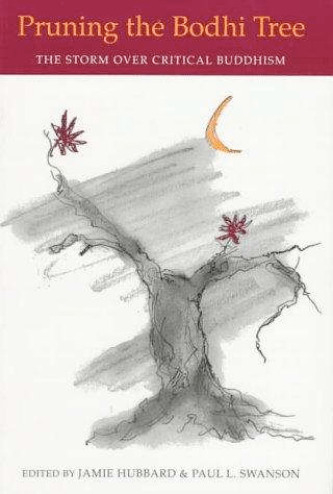
⚠此页所载版权声明禁止以任何方式复制或传播本书的任何部分。本页书影只为核对该条著录而摆在此处,请勿转载、转贴、下载或另行传播——禁令未开「少量节取」之例,剪一小段同样不在许可之内。
《Pruning the Bodhi Tree》导论明确概述袴谷、松本把佛性、如来藏与本觉判为非佛教的立场;卷内直接收松本〈The Doctrine of Tathāgata-garbha Is Not Buddhist〉及Sallie King、Peter Gregory等多方回应,足证其国际回响。脚注只把它作为现代“梵化”指控而不采其判教,表述准确。
封面核书名、副题与两位编者;出版年月及 ISBN 另据 University of Hawai‘i Press 官方目录逐项核过。本卡只核书目著录。
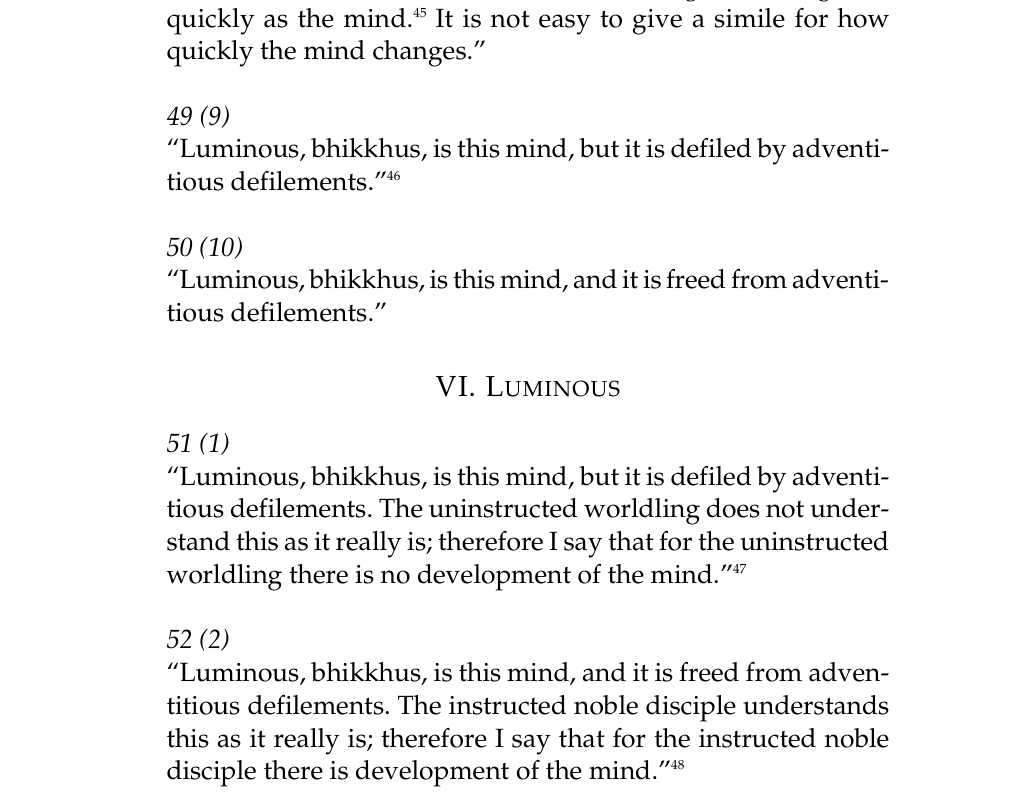
Bhikkhu Bodhi 译 Numerical Discourses(书内第97页)AN 1.49–52明言心为光明而受外来烦恼所染;T2031《异部宗轮论》0015b25又明确把“心性本淨、客隨煩惱之所雜染”列为大众部、一说部、说出世部、鸡胤部本宗同义,两项直接出处均合。
书影完整列 AN 1.49–52:心本光明而受外来烦恼所染,也可离此外来烦恼。
Zimmermann《A Buddha Within: The Tathāgatagarbhasūtra》(Bibliotheca Philologica et Philosophica Buddhica VI,創価大学 IRIAB, Tokyo, 2002,445 面,二十万余词),著录与本注所署全合。 (一)断代上限得证:该书作「the terminus ante quem of ca 350 CE established by my analysis」,与本注「约……至350年」相合;同处并及 Frauwallner 以二五〇年为《宝性论》成书之期,谓若从其说则《如来藏经》之期当更早。 (二)
九喻得证**:nine similes 全书十八面有见,该书并逐喻与《宝性论》所引相对勘(如第二喻求蜜人 purusas tadarthi/madhvarthi 之别),九喻确为该经骨架。此二项须俟该本重跑或另取善本,或径检《如来藏经》汉译(T0666/T0667)与藏译。本注所担之义未见反证,故判确;两项之未核记此。

⚠此页所载版权声明禁止以任何方式复制或传播本书的任何部分。本页书影只为核对该条著录而摆在此处,请勿转载、转贴、下载或另行传播——禁令未开「少量节取」之例,剪一小段同样不在许可之内。
判确,惟两层限度已补进脚注。脚注所记出版社與 2015 年皆确;(二)两项论旨逐项合:Part I 标题即「Is the Mahāparinirvāṇa-mahāsūtra “Our Earliest” Tathāgatagarbha Text?」,齐默曼〈序〉概括其说作「against the understanding of previous scholarship that the eponymous Tathāgatagarbha-sūtra was the earliest text…he suggests that in fact, we are best to regard the Mahāparinirvāṇa-mahāsūtra as most likely to be earlier」。
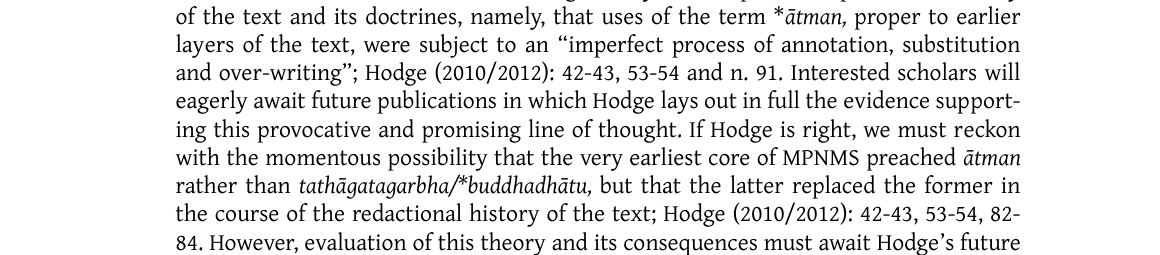
幻身一层,其〈导论〉自陈「I argue that tathāgatagarbha originates, in the context of MPNMS, as another such positive corollary to negatively framed docetic Buddhology. Buddhas are not engendered by painful processes, from impure human mothers, touched by filthy physical organs; Buddhas properly have their genesis in a soteriologically loaded “womb” (garbha) found within all sentient beings」,与脚注「佛不当有血肉母胎,如来藏为替换的清净之胎」正合(docetic 一系词全书一百四十二见,docetism 九十二见)。(三)「不出于对梵我的对冲」一句须标明是本书的推论:通检该书,ātman 十四见、Brahmanical 一见、Upaniṣad 三见、Vedānta 二见,Radich 并未立说驳斥梵我对冲一路,他只是另给一套起源解释。已在脚注标明。(四)并须录出一层反向的材料:该书书内第 28 页一条长注记 Stephen Hodge 之说并称其「provocative and promising」——《大般涅槃经》最早一层所说很可能是 ātman 而非 tathāgatagarbha,后者是在成书史中经「imperfect process of annotation, substitution and over-writing」把前者覆写掉的;Radich 自谓其成立与否「must await Hodge’s future publications」。又其第三章判该经前半(MPNMS-dhk)已倡「四倒」常乐我净并谓「the Tathāgata is ātman」,tathāgatagarbha 反在后半(MPNMS-tg)才出。这两笔于本章题目(梵化的引力)关系甚切,而脚注原本只取了合于正文的一半,已一并补入。(五)一处检索坑:齐默曼序作 flesh-and-blood(带连字符),按「flesh and blood」检零命中。
扉页列书名、作者、Hamburg University Press 及其作为汉堡州立与大学图书馆出版社的身份;版权页列 ISBN 978-3-943423-20-4 与 © 2015 Hamburg University Press,坐实脚注的 Hamburg、出版社与年份。
判确,惟两层限度已补进脚注。脚注所记出版社與 2015 年皆确;(二)两项论旨逐项合:Part I 标题即「Is the Mahāparinirvāṇa-mahāsūtra “Our Earliest” Tathāgatagarbha Text?」,齐默曼〈序〉概括其说作「against the understanding of previous scholarship that the eponymous Tathāgatagarbha-sūtra was the earliest text…he suggests that in fact, we are best to regard the Mahāparinirvāṇa-mahāsūtra as most likely to be earlier」。
幻身一层,其〈导论〉自陈「I argue that tathāgatagarbha originates, in the context of MPNMS, as another such positive corollary to negatively framed docetic Buddhology. Buddhas are not engendered by painful processes, from impure human mothers, touched by filthy physical organs; Buddhas properly have their genesis in a soteriologically loaded “womb” (garbha) found within all sentient beings」,与脚注「佛不当有血肉母胎,如来藏为替换的清净之胎」正合(docetic 一系词全书一百四十二见,docetism 九十二见)。(三)「不出于对梵我的对冲」一句须标明是本书的推论:通检该书,ātman 十四见、Brahmanical 一见、Upaniṣad 三见、Vedānta 二见,Radich 并未立说驳斥梵我对冲一路,他只是另给一套起源解释。已在脚注标明。(四)并须录出一层反向的材料:该书书内第 28 页一条长注记 Stephen Hodge 之说并称其「provocative and promising」——《大般涅槃经》最早一层所说很可能是 ātman 而非 tathāgatagarbha,后者是在成书史中经「imperfect process of annotation, substitution and over-writing」把前者覆写掉的;Radich 自谓其成立与否「must await Hodge’s future publications」。又其第三章判该经前半(MPNMS-dhk)已倡「四倒」常乐我净并谓「the Tathāgata is ātman」,tathāgatagarbha 反在后半(MPNMS-tg)才出。这两笔于本章题目(梵化的引力)关系甚切,而脚注原本只取了合于正文的一半,已一并补入。(五)一处检索坑:齐默曼序作 flesh-and-blood(带连字符),按「flesh and blood」检零命中。
注中第二层限度(Radich 于 書 28 长注记 Stephen Hodge 一项假说并称其 provocative and promising)之据。第一层限度(「不出于对梵我的对冲」系本书之推论,Radich 本人未立说驳斥梵我对冲一路)系据该书目次與 Part I 标题所见其正面论证之范围而定,非其明文,据栏已言明。

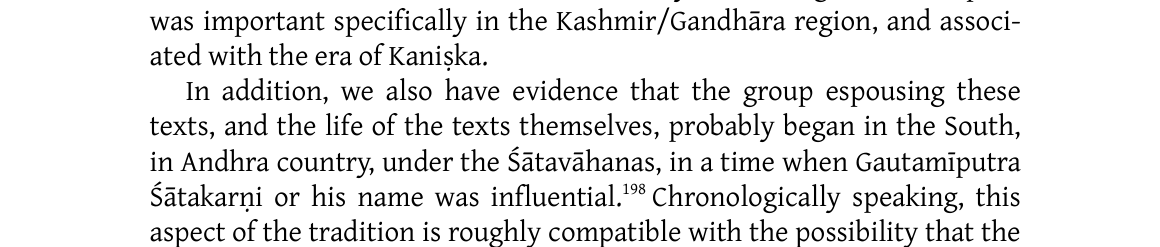
〔归并注〕下田正弘《涅槃経の研究》(1997)日文本作者定为暂难到手,改用其西文对应著作:Michael Radich《The Mahāparinirvāṇa-mahāsūtra and the Emergence of Tathāgatagarbha Doctrine》(Hamburg Buddhist Studies)。该书通篇与下田对话(「Shimoda」三十九面可见),书内第 16 页明言「Following Shimoda Masahiro, I interpret *buddhadhātu doctrine as a similar positive corollary t
o docetic Buddhology – in this case, as a response to and modification of the relic cult」,并于第 17 页注六指出下田本人有英文摘要(1994)、Sasaki (1999) 另有专文将下田 1997 年一书的结论介绍给英语读者——欲得下田之说而无日文本者,此三处即门径。成立史一侧:Radich 书内第 21 页列四种存世本(法显本 T376、昙无谶本 T374、藏译、中亚梵文残片三十四件出二十三叶,约三写本,出 Khādalik 一带),据以立「MPNMS-common」之名,并谓其「clearly divided into two large parts」;第三章考其绝对年代,断 MPNMS-tg 在公元一世纪末至二世纪中,且早于《如来藏经》——此说与高崎直道旧序相反,正文引高崎处宜知有此异议。地域一侧:书内第 82 页断「we also have evidence that the group espousing these texts, and the life of the texts themselves, probably began in the South, in Andhra country, under the Śātavāhanas」,同页注一九八并言西方学界「have long associated Andhra country with a nexus of Mahāsāṃghika and tathāgatagarbha」——与脚注所引印顺「南方(案达罗)、大众部一系」之说相合,是一条独立的旁证;其后该群体约四十至八十年内北迁至迦湿弥罗、犍陀罗(「700 p.n.」之说系于此地与迦腻色迦),再由中亚(书内第 70 页明指于阗)东传——正文「含中亚起源诸说」一层由此承担。
①与下田之关系:「Following Shimoda Masahiro, I interpret *buddhadhātu doctrine as a similar positive corollary to docetic Buddhology – in this case, as a response to and modification of the relic cult」;②地域:「the group espousing these texts, and the life of the texts themselves, probably began in the South, in Andhra country, under the Śātavāhanas」,同页注并言西方学界久已把案达罗与大众部、如来藏connect,与脚注所引印顺之说相合。