所指
该章可证成就者道歌对班智达论书文化的抗议,并以萨拉哈颂及 Roger Jackson 道歌研究定位;八十四大成就者名录与传记由 Dowman/Guenther 等外部书证另核。
链接
05-论辩场 › 03-论辩的代价 章级 · 点开即所指之章
核查结论
David Jackson 1994《Enlightenment by a Single Means》(书目 0212)另是一书,专论 dkar po chig thub,與道歌无涉。须记一层分寸:0479 主体是印度三家道歌(萨拉哈、康哈、帝洛巴),藏传 nyams mgur 只带过一句(「In Tibet, the dohās inspired the development of … the 'song of experience' (nyams mgur), which reached an early apogee in the works attributed to Milarepa」,索引另见 songs of experience 42);本注所需只是道歌文献之交叉引用,此书足担,若日后要专论藏传道歌之作则另属一件。
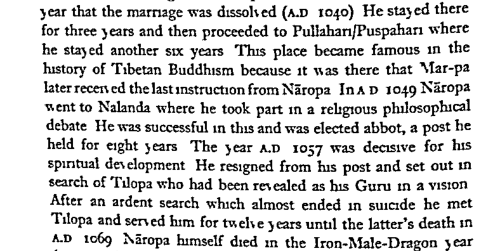
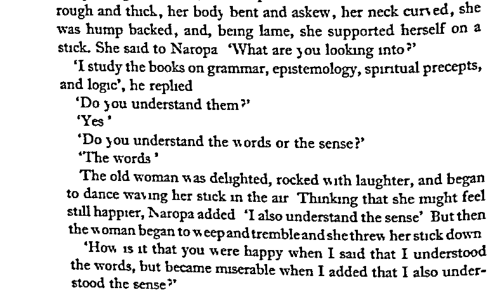
![[0594] The Life and Teaching of Nāropa - Herbert V. Guenther - 1963 书影](../../书影/guenther-naropa-twelve-acts-p42.618e975d.webp)