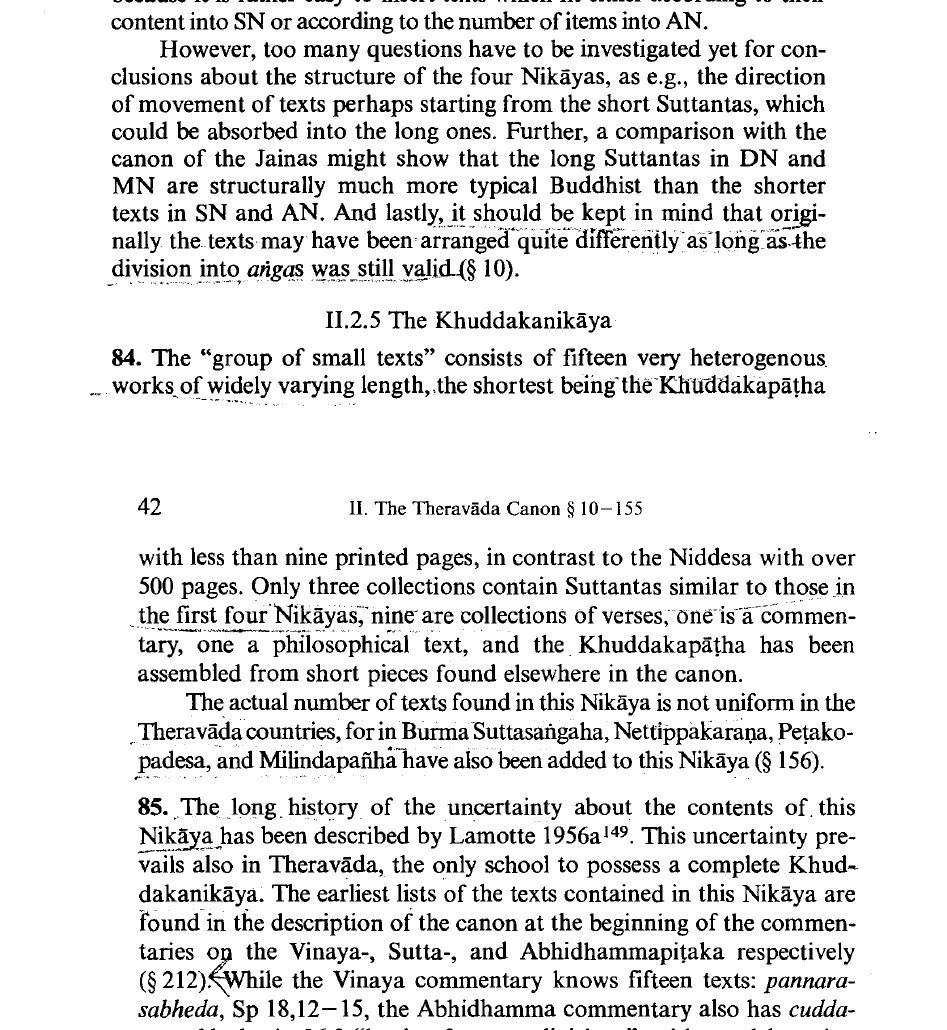
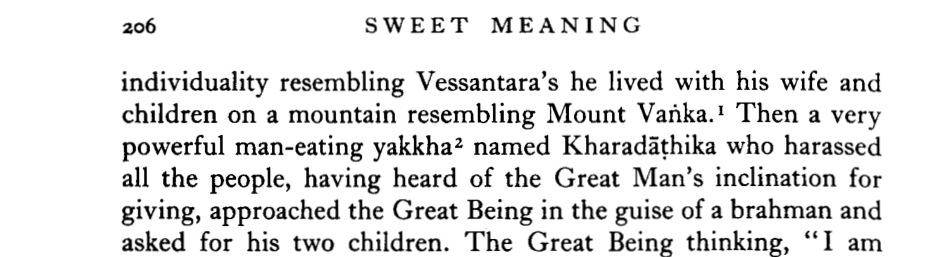
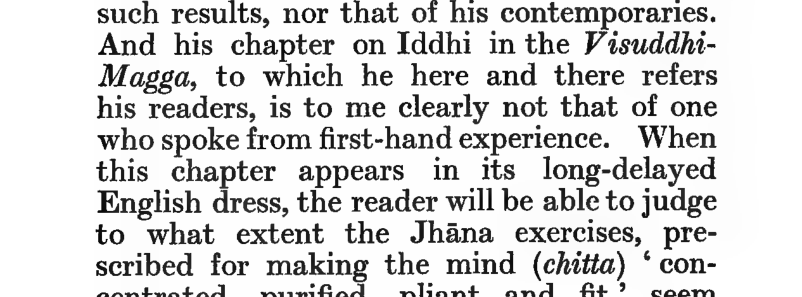
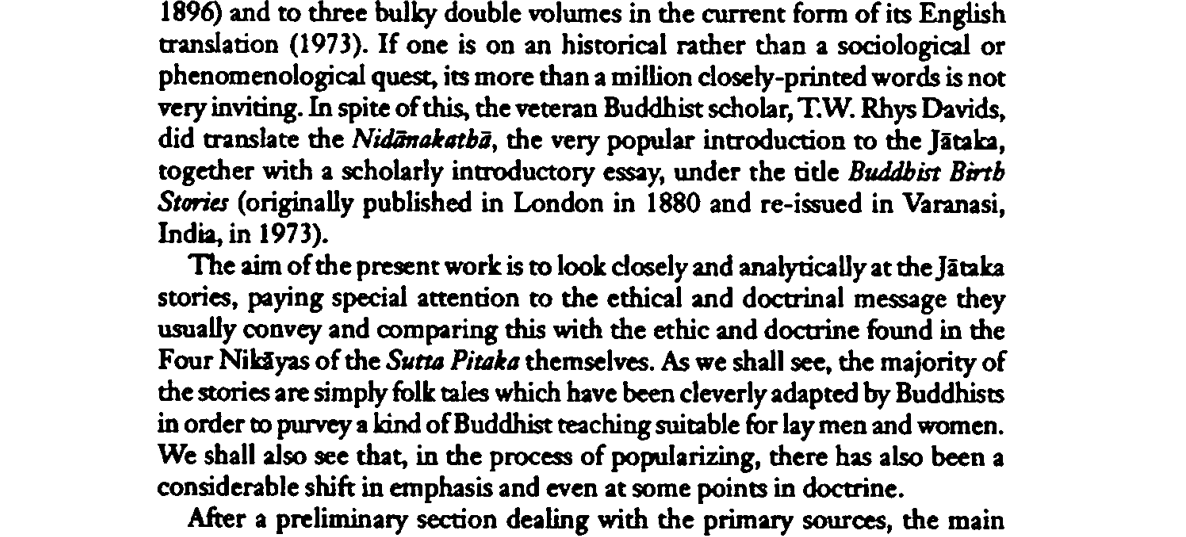
本生伦理与巴利正典伦理的比较,见 John Garrett Jones. Tales and Teachings of the Buddha: The Jātaka Stories in Relation to the Pāli Canon(初版 London: Allen & Unwin, 1979;本书所据为 Cybereditions 2001 修订版)。作者自道其宗旨是把本生所传的伦理与教义讯息"与四部尼柯耶中的伦理与教义相比对",并谓在通俗化的过程中"重点有相当的转移,某些地方的教义亦随之而变"。Naomi Appleton. Jātaka Stories in Theravāda Buddhism: Narrating the Bodhisatta Path. Farnham: Ashgate, 2010 所论则是菩萨道在叙事中的建构,非本生伦理之批评,且她对 Jones 一系的读法另有商榷,二书立场不同,不宜并举为同一主张的出处。须大拏一则的争论值得摆清楚,因为通行的说法把它讲反了:似乎"受者会吃掉孩子"是近人读出来的义,而熟读巴利本文者可以答以那婆罗门所求不过是二子"为奴"。求为奴一层确有其文(Jones 书内 110 页述作 an old brahmin (Devadatta) comes to ask for his children to be his slaves),但称其为鬼、谓其将食二子,同样出自故事本身,且出于童子之口。巴利本 Jā 547 作 na cāyaṃ brāhmaṇo tāta, dhammikā honti brāhmaṇā, yakkho brāhmaṇavaṇṇena(Jā VI 554,14),《本生鬘》第九品六十五至六十六偈作 yakṣo 'yaṃ brāhmaṇacchannā,《六度集经》作"彼是鬼也,非梵志矣"(T 152, T III 9c12),《太子须大拏经》作"此非婆罗门,为是鬼耳"(T 171, T III 422a19),《经律异相》作"此是鬼耳,非梵志也"(T 2121, T LIII 165c21),粟特本残卷亦称受者为状如夜叉之婆罗门;诸本对校见 Bhikkhu Anālayo, "The Vessantara-Jātaka and Mūlasarvāstivāda Vinaya Narrative," Journal of the Oxford Centre for Buddhist Studies 11 (2016): 11–37,说见书内 17 页注二十。Hubert Durt, "The Offering of the Children of Prince Viśvantara/Sudāna in the Chinese Tradition," Journal of the International College for Advanced Buddhist Studies 2 (1999): 266–231(该刊页码倒排,各面另有正数页码 147–182,此处依正数)书内 169 页述汉译诸本此节,谓童子先言 the man is not a brahmin but a demon who will eat them,次乃悲母之不在;书内 162 页述《本生鬘》偈中女童之语,作 an ogre in the guise of a brahmin. "He carries us off to eat us."。对布施本身的非难亦非外来:施子之后廷臣即以 garaha 相责,谓奴婢、马、骡、车、象皆可施,岂可施子(Jā VI 575,14);《弥兰陀问》更立为两难,问以苦人之施可得乐报生天否(Mil 276,14),又谓求福者不当苦人,宜以己身为施(Mil 275,27);其所列难行诸事,第四即童子哭曰"父亲,此鬼牵我等去,将食我等"而彼不加安慰,第五为迦利求以身代弟妹曰"愿鬼食我"而彼不许(Patrice Ladwig, "Emotions and Narrative: Excessive Giving and Ethical Ambivalence in the Lao Vessantara Jātaka," in Steven Collins ed., Readings of the Vessantara Jātaka. New York: Columbia University Press, 2016, pp. 53–80,书内 62 至 63 页引 Horner 译,同处并引 Rhys Davids 旧译 "excessive giving is by the wise in the world held worthy of censure and of blame")。近世南传教内亦仍有此疑,Gombrich 谓施妻儿一节不但令我辈骇异,锡兰人亦然(Anālayo 书内 18 页引 Gombrich 1971/2008: 312)。为奴与食人两说在诸本中并存,本不构成两造;所争实在"岂可施子"一事,而此问自廷臣、《弥兰陀问》以下,教内自己先问了。至于正典与注释之分:本生的偈颂属正典,与偈颂相连的叙事则是注释,Jones 书前 I. B. Horner 序即径言"with the verses regarded as canonical and the narratives connected with them as commentarial"。此分自有其用,惟不足以把"受者是鬼"一层判在所争之外,因为诸本俱有其语,《弥兰陀问》复引之以设难;巴利本此语究系偈颂抑属注释叙事,无 PTS 巴利本可验,姑阙。
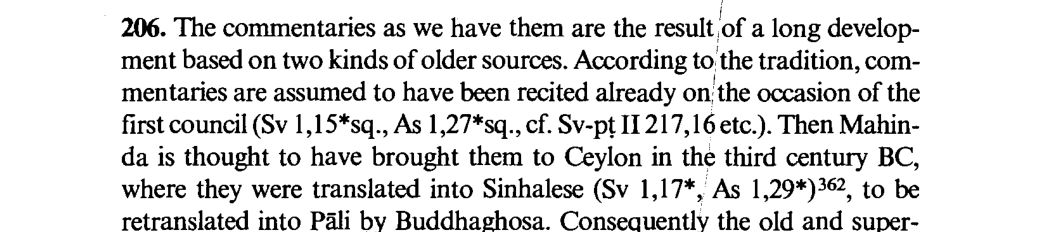
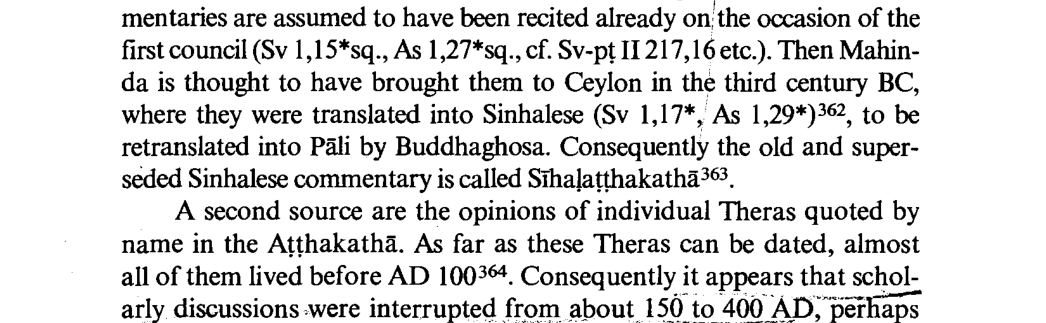
![[0016] A Handbook of Pāli Literature - Oskar von Hinüber - 1996 书影](../../../书影/hinuber-sinhalese-commentary-quotations-p101.94eb1ceb.webp)